
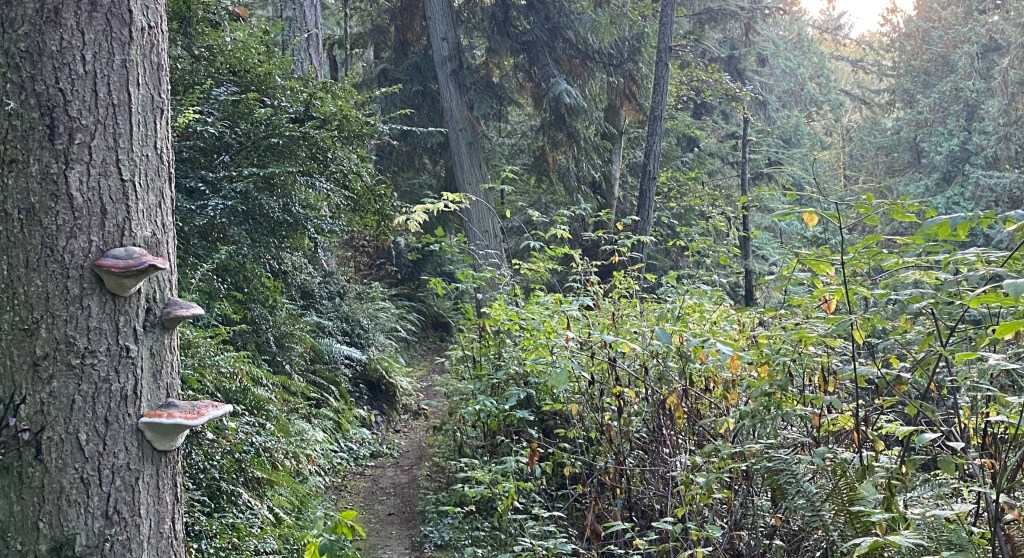

the choice to help reground each other
Ross Gay writes a lot about joy in a way that feels to me like it’s straight from heart to pen (a reason he’s one of my favorite writers). At one stage of the Black Lives Matter movement years ago, he started getting some flack online for his focus on it. I’m paraphrasing, but it went something like this:
Online people: you’re doing this wrong. how could you write about joy at a time like this?!
Ross: how could I not?
This man is on to something. That is also one of the best mic drops I’ve ever heard that is also kind. Joy, turns out, is not as far from pain as we think it is. I didn’t fully get what people meant by that until my dad died almost 3 years ago. We laughed together at least as much as we cried while we cleaned out his house and buried him. The sources vary, but many days, I can feel myself swaying gently between joy and pain, weirdly yet gratefully cupped in their hands, neither one holding me all the way.
This presence is also inseparable from my 15 year career in environmental conservation — grief over the climate crisis paired with the fierce knowledge that what we do now still matters. I also sense it in the people I know who do cause-based work from issues like homelessness and domestic abuse to the rights of incarcerated people. We all hold some version(s) of this polarity. Our human bodies keep us from floating away or splintering under the sensation. Being together in this roots us even more firmly into a way forward.
You will keep hearing me say that how we are together matters. In any setting. Interacting and gathering with meaning is the stuff that feeds and shelters us so we can step outside and face hard things when we need to. In my last post, I defined meaningful as “alive with things that people care about.” Tending those sparks with care is what allows us to flow and create together, whether it’s dinner, a work project, or a movement.
The short distance between pain and joy feels especially apt these days. I spent much of my time this year seeking out and being in communities of practice and learned a lot about how we can choose to help reground each other in community with our full presence and attention — some enabling conditions of sparks. It is one of the things we can do to stay more oriented to what is real, human, and full of promise. As hard as mainstream cultures can make that feel, it is not something we should let wither for the sake of efficiency, convenience, or fear. In any case, strong roots are still there in the places we have been neglecting.
In February, I was in a room with a bunch of really smart, compassionate leaders on Whidbey Island. We were loving our work together and struggling with the state of the new US government. We had met a only a few months before during our first session, but the work we were doing together invited vulnerability, so we all went for it. It is one of the few times I have felt so quickly accepted and supported by a group of strangers, especially the 3 women who became my reflection partners and big sisters.
It hit me during one of our last circles of the weekend that this is who we really are: people showing up for one another, even when they’re mad, tired, scared, and ravenous for better. At our core, most humans are good, we just need a little more oxygen for that to catch and become something crackling that keeps us warm. I was actually vibrating in my seat with the force of this knowledge when I told them that I call b.s. on the story some people tell that the messed up things we see are true reflections of who we are and what we want — that we’re all screwed.
I kind of blacked out after saying an emphatic “no” to all of that and don’t remember the rest of what I shared. I was feeling so shaky and buzzy afterwards that I needed to go outside in the rain and sit in the wet dirt. Literally. Talk about grounding and roots of a way forward. When we came back from our break, we got obliterated by a poem, then dove back in to the good, hard work. We left the island later that day, lifted by the prospect of one more session in April and the knowledge that we were all out there doing what we could, just like we did in that room. Some days it doesn’t feel like it, but that can be enough.
To quote a dear friend, “more of that, please.”
-Cheyenne
photo: The Whidbey Institute, WA


Leave a Reply